Safe Storage of Substances Hazardous to Water: What Does the AwSV Regulate?
Safe Storage – What Is the AwSV?
The German Ordinance on Installations for Handling Substances Hazardous to Water (AwSV) is a key piece of environmental legislation in Germany. It governs the safe operation of installations in which environmentally hazardous liquids or substances are handled. Its purpose is to protect water bodies, soil and groundwater from contamination.
Purpose and Objectives of the AwSV
The regulation is designed to prevent substances hazardous to water from being accidentally released into the environment. To achieve this, it stipulates structural, technical and organisational measures. A key element is the 5% rule, which sets minimum requirements for spill containment capacity to help prevent damage in the event of leaks.
Who Is Affected?
The AwSV applies to all businesses that store, fill or handle substances hazardous to water – from workshops and chemical companies to logistics centres. Companies that fail to comply with these requirements risk substantial fines and environmental damage, which may also have criminal law implications.

The 5% Rule in Detail
What Does the 5% Rule Mean?
The 5% rule stipulates that spill containment systems must be capable of holding at least 5% of the volume of the largest stored container. For example, if a tank has a capacity of 1,000 litres, the spill containment sump (ground protection sump) must be able to retain at least 50 litres of liquid.
Why Is This Regulation So Important?
Even small leaks can cause significant damage if no containment measures are in place. The 5% rule provides a minimum level of protection and is intended to ensure that escaping liquids are collected promptly before they can seep into the soil or enter water bodies.
When Is a Containment Capacity of More Than 5% Required?
In certain circumstances, a greater containment capacity may be necessary, for example when storing highly hazardous substances, large quantities or combinations of substances with different hazard classifications. The guiding principle is clear: when in doubt, allow for a larger containment capacity rather than risk inadequate protection.

Practical Technical Implementation
Spill Containment Systems for Containers, Drums and Tanks
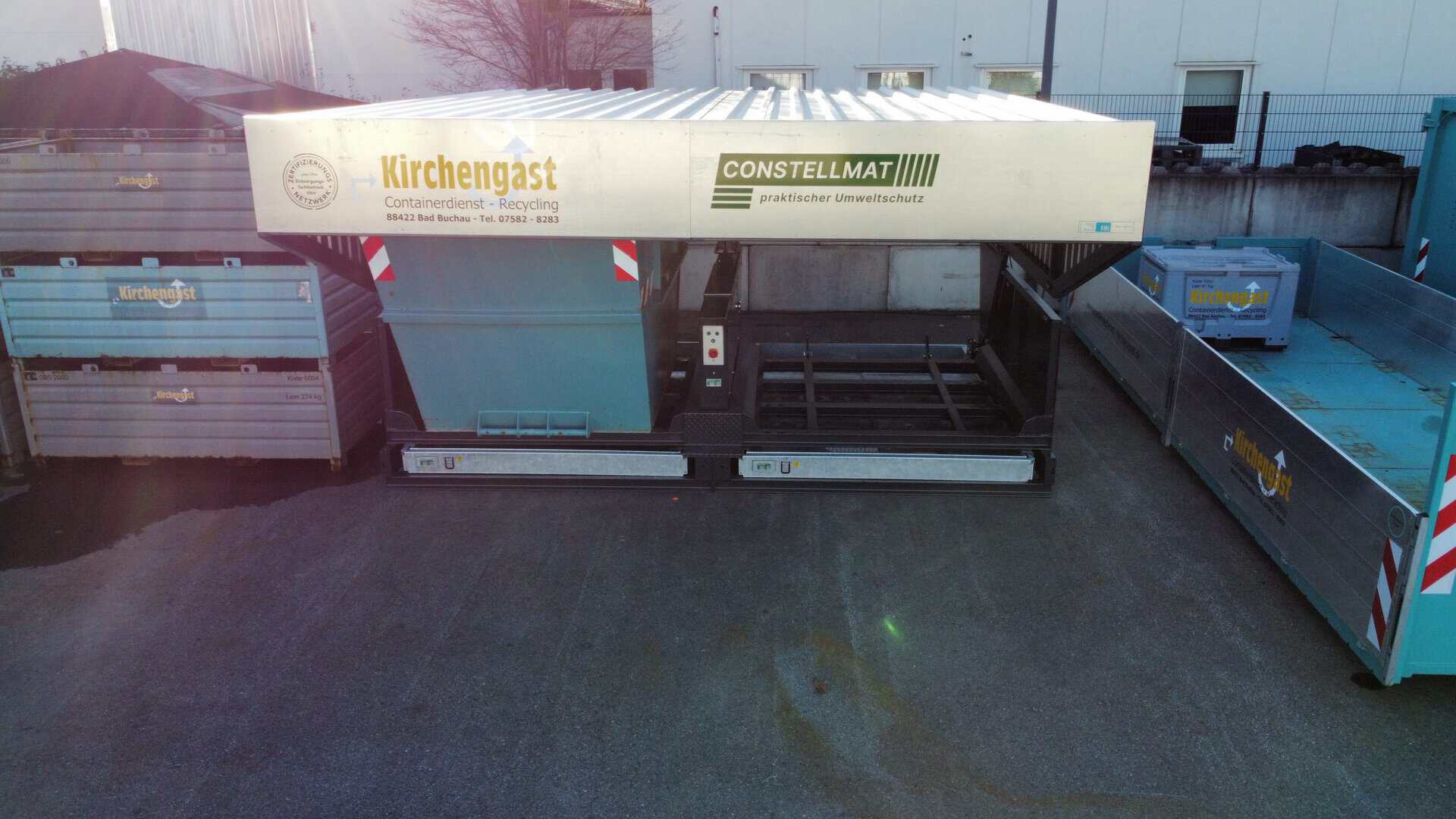
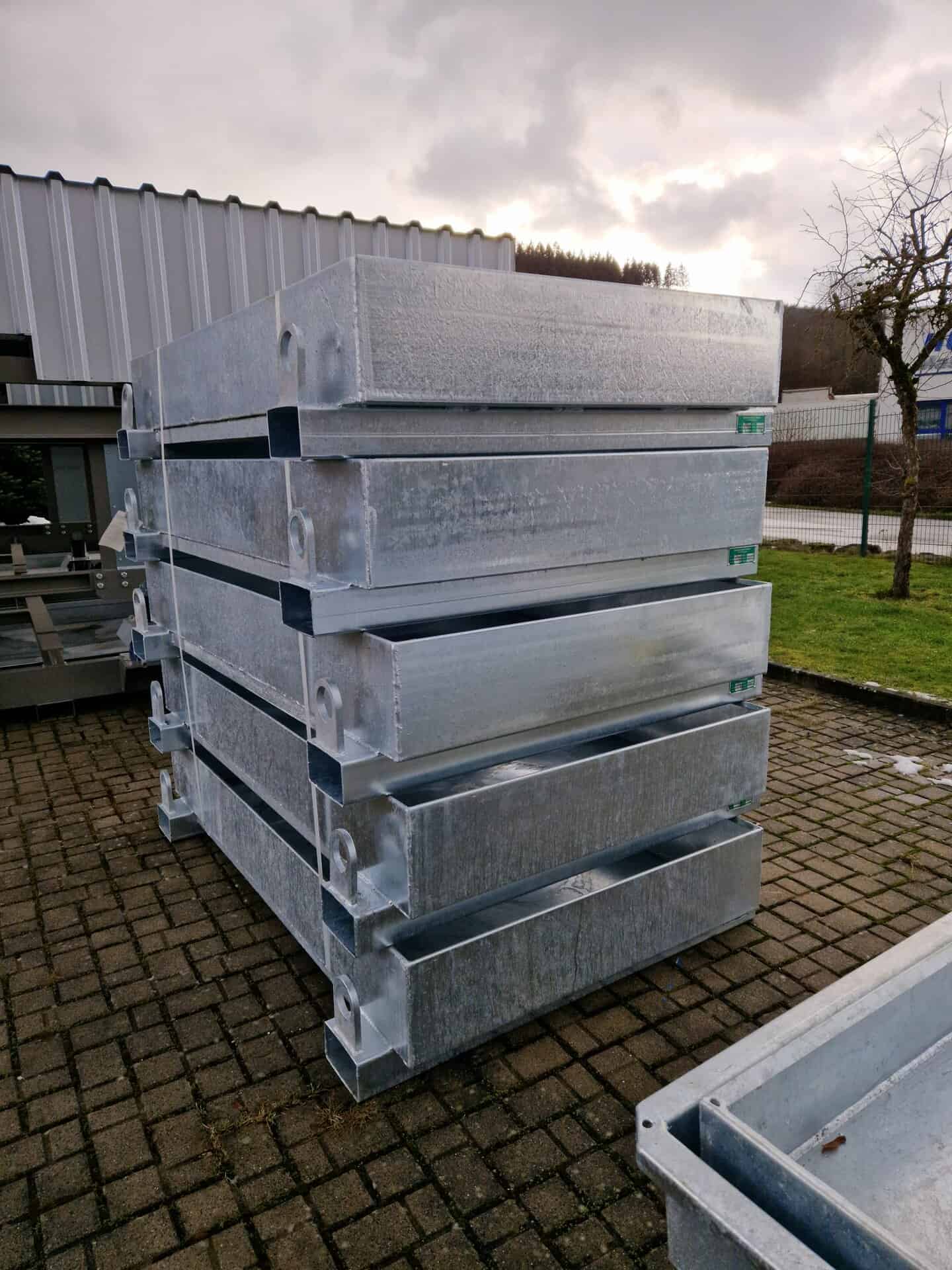
Various technical solutions are available to meet the requirements of the 5% rule. These include steel or plastic spill containment sumps, liquid-tight storage areas and specialist designs such as CONSTELLMAT container storage systems, which are designed to comply with the AwSV.
Calculating Spill Containment Capacity
The calculation is based on the volume of the largest individual container. It is also necessary to check whether the spill containment sump is resistant to the specific substances being stored and whether sufficient clearance from the ground is provided.
Combining Spill Containment with Additional Safety Measures
The 5% rule is often supplemented by additional measures, such as leak detection systems, overfill protection or protective walls. These measures enhance operational safety and help businesses comply with statutory requirements.

Environmental and Business Benefits
Environmental Protection Through Preventive Measures
Complying with the 5% rule significantly reduces the risk of water and soil contamination. In this way, every business makes an active contribution to environmental protection and the conservation of natural resources.
Legal Certainty and Risk Reduction
A clearly documented spill containment concept helps protect businesses against fines and liability risks. It also demonstrates to authorities and customers that environmental responsibility is taken seriously.
Enhancing Corporate Image and Sustainability
Sustainability has long been an important business factor. Companies that operate in compliance with regulations and in an environmentally responsible manner strengthen their brand image and improve their competitiveness – particularly in sensitive sectors such as chemicals, waste management and manufacturing.