
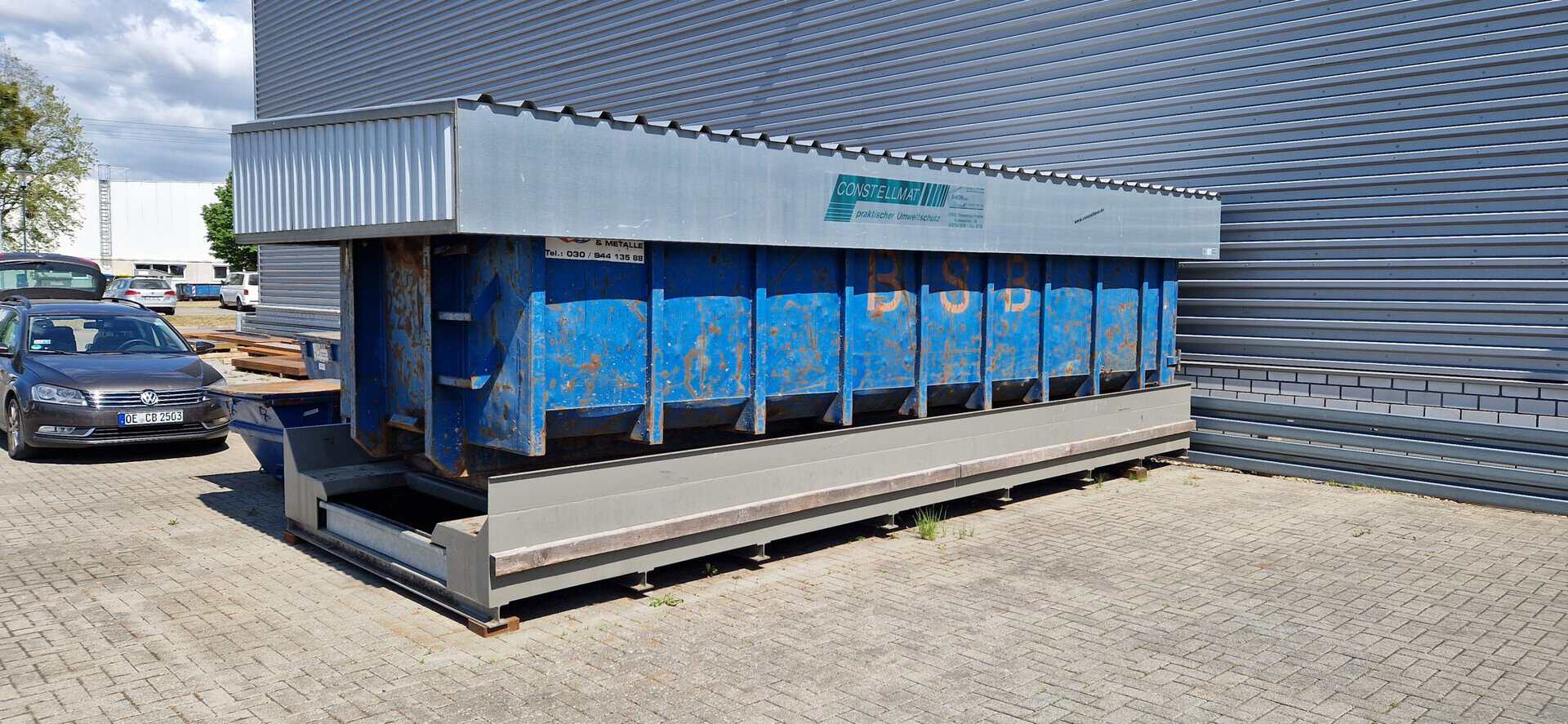
ABNWQ 240 bei RATTUABNWQ 240 at RATTUNDE: Safe storage of metal chips and residual materials
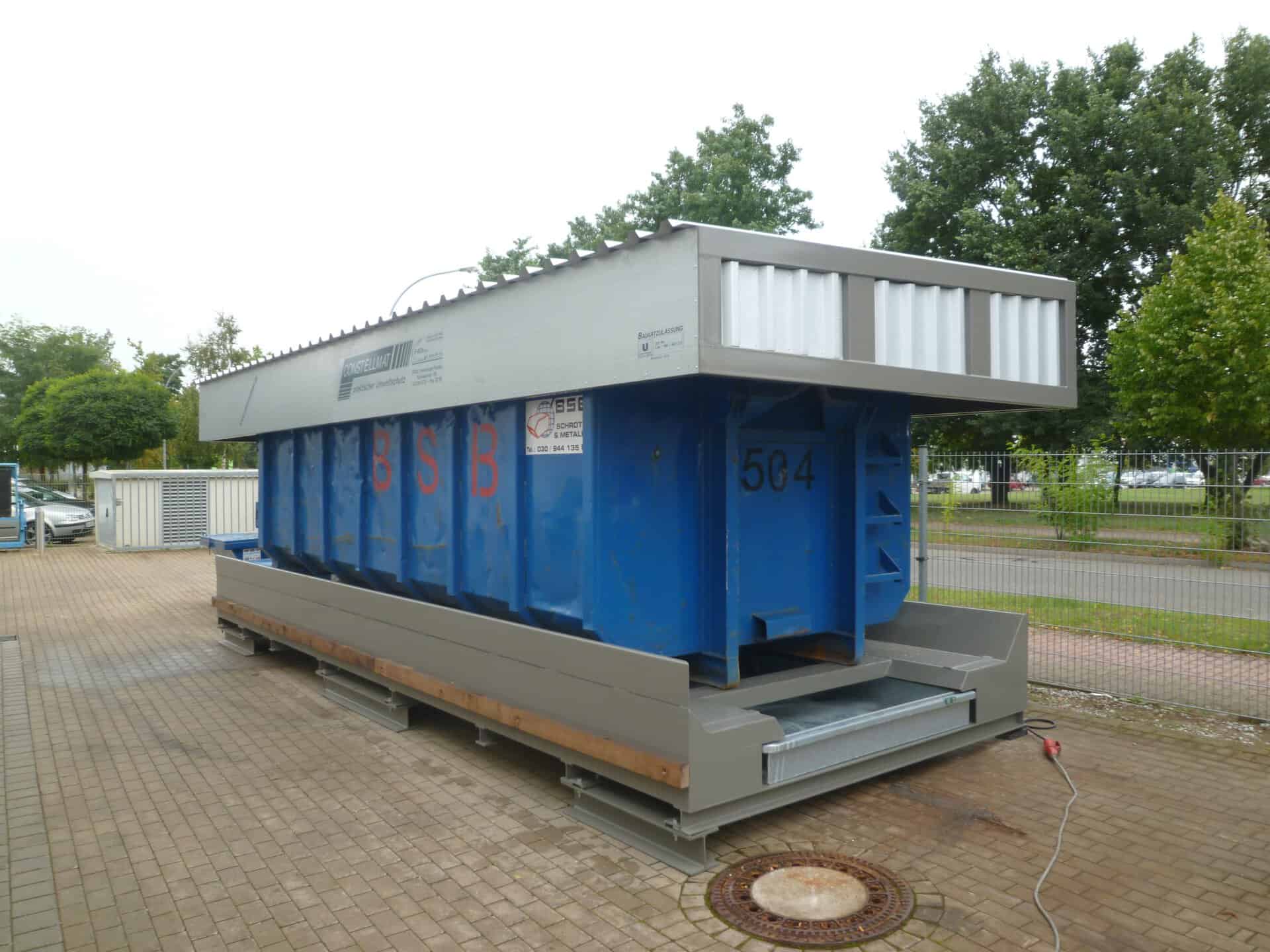
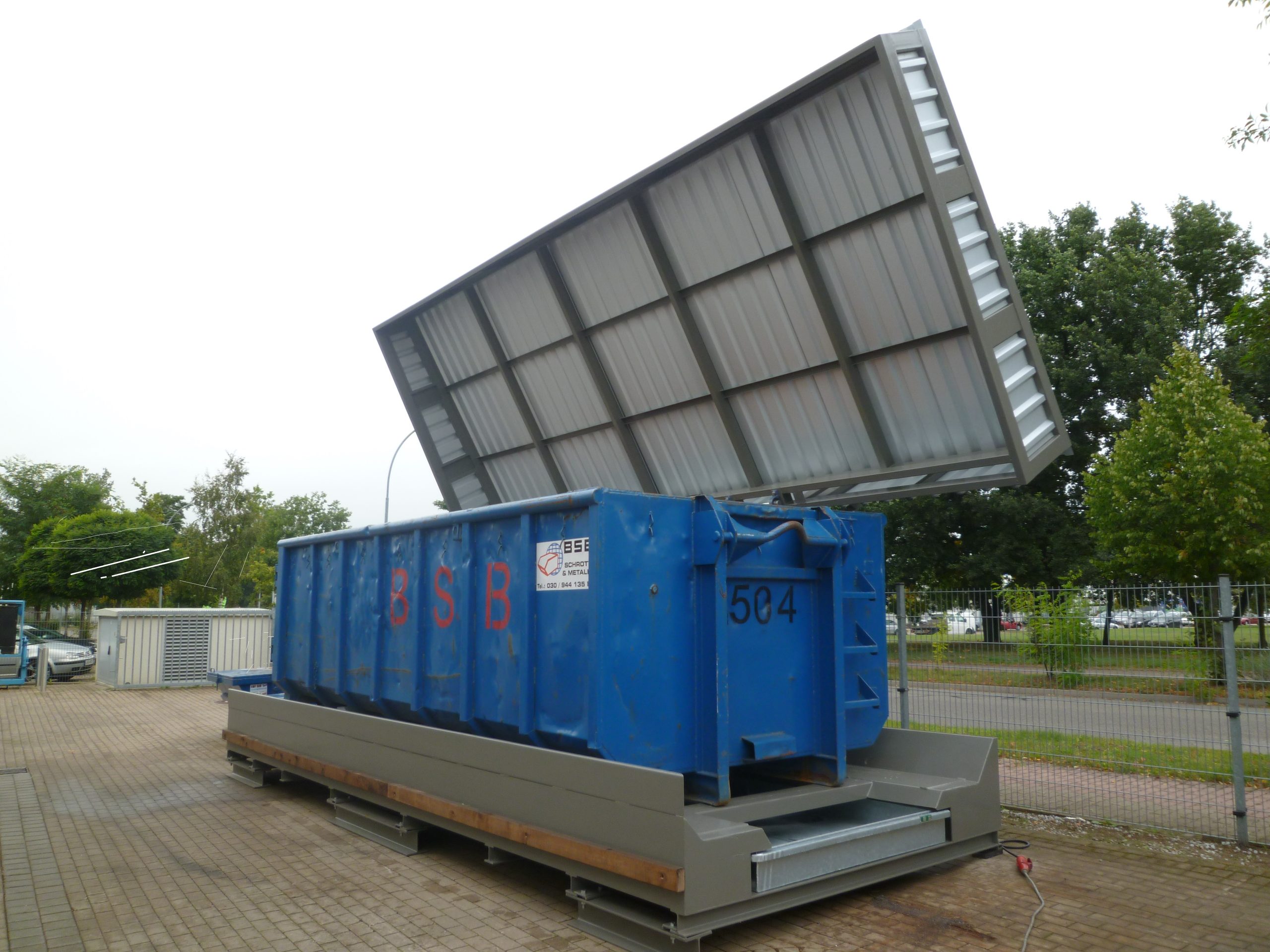
With the two ABNWQ 240 systems, RATTUNDE in Ludwigslust has a robust and practical solution for the safe outdoor storage of roll-off containers.
This reference demonstrates how container roofing and integrated spill containment technology can be combined to support operational processes while also taking soil and environmental protection into account.
Practical Environmental Protection in Container Storage
In addition to weather protection, environmental protection also plays an important role in container storage. The integrated CONSTELLMAT spill containment system helps to safely collect and contain any liquids that may escape.
This creates a well-designed combination of roll-off container roofing and an integrated spill containment system – a practical solution for the safe outdoor storage of roll-off containers.
Integration into Existing Operational Processes
The systems were installed outdoors on the company’s premises, creating a clearly defined waste disposal area.
Materials are transported directly from production using a forklift and tipping skip. This keeps transport routes clear and simplifies operational processes.
Another advantage is the easy accessibility for waste collection vehicles. Container exchanges can be carried out quickly, allowing full containers to be collected and replaced efficiently.
Results: Organised Processes and Efficient Material Flow
The implementation has enabled RATTUNDE to establish a clearly structured waste disposal process:
- Clean storage of production waste and recyclable materials
- Clearly designated storage area for metal chips
- Shortest possible transport routes within and outside the facility
- Smooth container exchange directly in front of the production hall
- No interruptions to production processes
This creates a stable and efficient material flow throughout the operation.
Conclusion: Structured Waste Disposal as the Foundation for Efficient Processes
This project demonstrates how unstructured outdoor waste disposal processes can be systematically improved.
The clearly designated storage area provides a practical and sustainable solution tailored to the requirements of industrial waste disposal.
Frequently Asked Questions About This Reference Project
Which companies would benefit from a similar solution?
Structured outdoor waste disposal is particularly beneficial even when a company handles only one material stream and needs to optimise its day-to-day waste management processes.
Does the company’s entire waste disposal process need to be redesigned?
No. In many cases, existing processes can be maintained and specifically improved by creating clearly designated areas and introducing a more structured layout.
How customised can such a solution be?
The solution is generally tailored to the existing conditions at the facility, taking into account factors such as available space, material types and internal operational processes.
How can you identify when improvements are needed?
Typical signs include unclear responsibilities, poorly organised collection areas and increased coordination efforts in day-to-day operations.
How is a project like this implemented in practice?
As a rule, the existing situation is first analysed before a structured solution is developed that can be integrated into the company’s existing operational processes.
